
Best Cervical Traction Device for Neck Pain
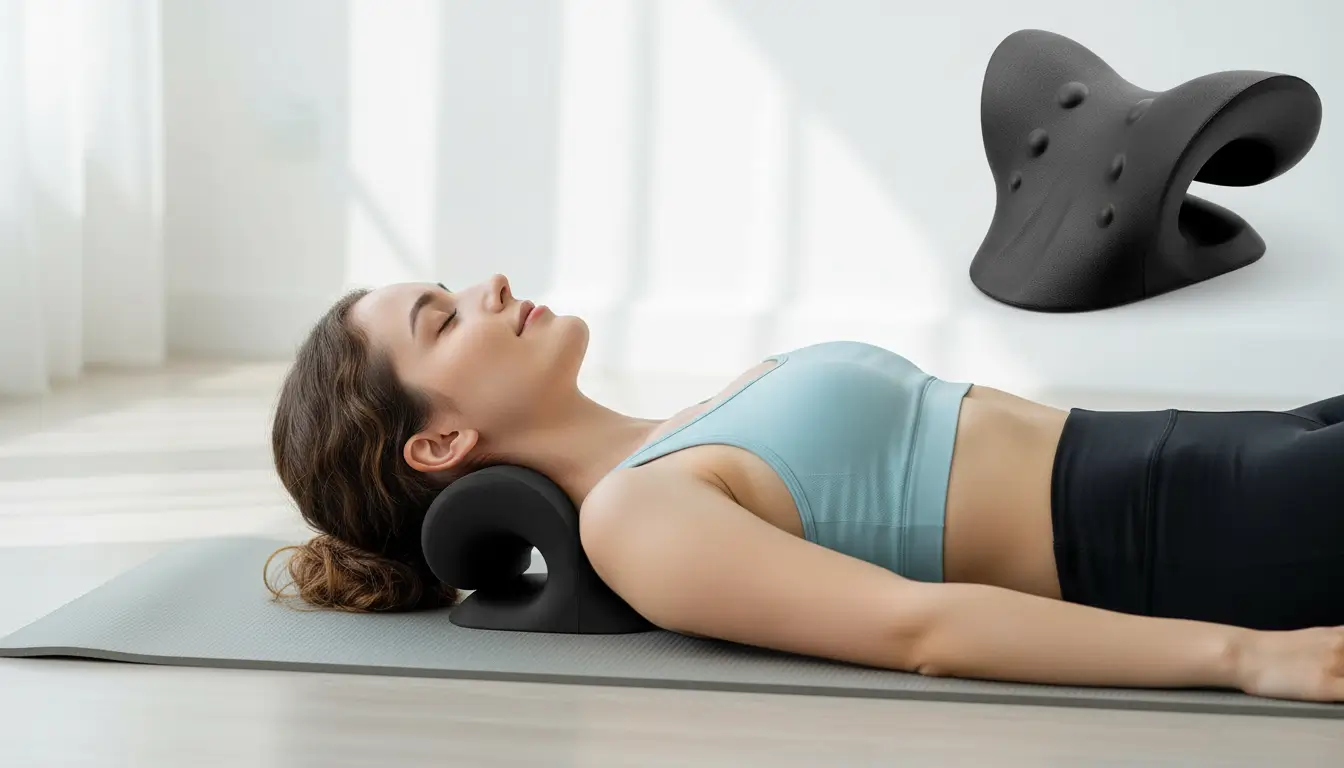
Neck pain has become a common problem due to long hours of sitting, poor posture, and excessive screen time. A cervical traction device is a non-invasive solution designed to relieve neck pain, reduce pressure on the spine, and improve mobility—all from the comfort of your home.
In this guide, you’ll learn what a cervical traction device is, how it works, its benefits, and how to choose the best one for your needs.

What Is a Cervical Traction Device?
A cervical traction device is a therapeutic tool that gently stretches the neck to create space between the cervical vertebrae. This decompression helps relieve pressure on nerves, discs, and muscles, which can significantly reduce pain and stiffness.
These devices are commonly used by:
- People with chronic neck pain
- Office workers with poor posture
- Individuals suffering from herniated or bulging discs
- Anyone experiencing tension headaches or stiffness
How Does a Cervical Neck Traction Device Work?
A cervical neck traction device works by applying controlled traction force to the neck. This gentle stretch helps to:
- Improve spinal alignment
- Increase blood circulation
- Reduce muscle tension
- Decrease nerve compression
Most home-use devices use air inflation, pulley systems, or foam support to safely apply traction without discomfort.
Benefits of Using a Cervical Traction Device
Using a cervical traction device regularly may provide several benefits:
Relieves Neck Pain
Reduces pressure on compressed nerves, helping ease chronic and acute neck pain.
Improves Posture
Encourages proper spinal alignment, especially for people who sit for long hoursReduces Muscle Tension
Helps relax tight neck and shoulder muscles.
Non-Invasive & Drug-Free
A natural alternative to pain medication or surgery.
Convenient Home Therapy
No need for frequent clinic visits—use it anytime at home.
Best Cervical Traction Devices for Home Use
When choosing the best cervical traction device, look for comfort, adjustability, and safety.
1. Air-Inflated Cervical Traction Devices
- Lightweight and portable
- Easy to adjust traction level
- Ideal for beginners
2. Over-the-Door Cervical Traction Devices
- Strong traction control
- Recommended for moderate to severe pain
- Requires proper setup
3. Saunders Cervical Traction Device
The Saunders cervical traction device is one of the most trusted options on the market.
Why it stands out:
- Clinically recommended
- Precise traction control
- Comfortable neck support
- Ideal for long-term therapy
Best for people with chronic neck pain or disc-related issues.
Who Should Use a Cervical Traction Device?
A cervical traction device is suitable for:
- Office workers & gamers
- People with stiff neck or limited mobility
- Individuals recovering from neck injuries
- Those diagnosed with cervical disc problems
⚠️ Important: If you have severe spinal conditions or recent injuries, consult a healthcare professional before use.
How to Use a Cervical Traction Device Safely
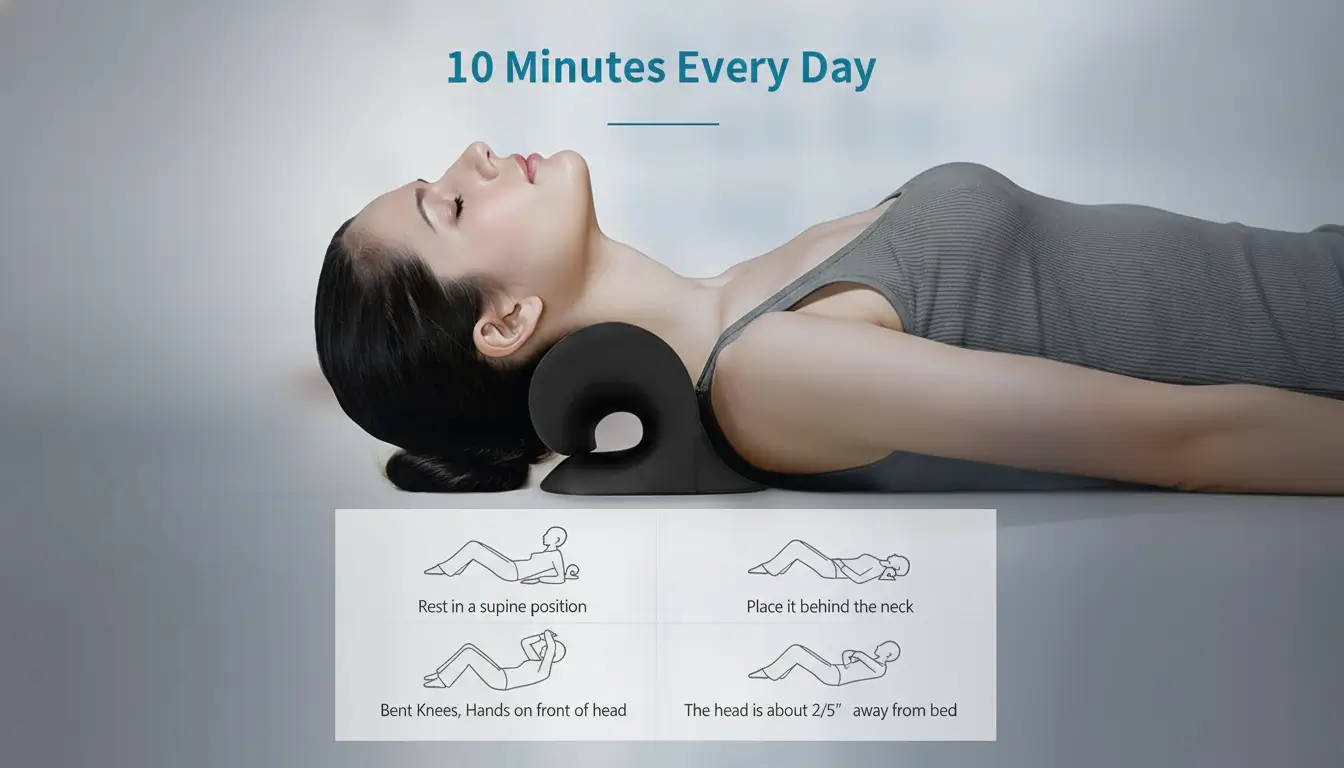
- Start with low traction pressure
- Use for 10–15 minutes per session
- Follow manufacturer instructions
- Stop immediately if pain increases
Consistency is key—regular short sessions work better than long, infrequent use.
Cervical Traction Device vs Neck and Shoulder Relaxer
While a neck and shoulder relaxer focuses mainly on muscle relaxation and massage, a cervical traction device targets spinal decompression. Many people benefit from using both together for complete neck pain relief.
Final Thoughts: Is a Cervical Traction Device Worth It?
If you suffer from neck pain, stiffness, or posture-related discomfort, a cervical traction device can be a powerful, affordable, and drug-free solution. With consistent use, many users experience reduced pain, better mobility, and improved quality of life.
For best results, choose a high-quality cervical neck traction device that suits your condition and comfort level.